
How Ambipar was used to inflate Banco Master’s books
“Daniel. The people are waiting for you to sign. We have to close this today with Tércio. He is going to file for judicial reorganization.”
That message was sent to Daniel Vorcaro by Maurício Quadrado, a former partner and business associate. The date was October 20 last year, according to records from the cellphone of Banco Master’s then-owner obtained by Valor. Master’s collapse was imminent, and the two men had been talking nonstop about how to raise liquidity while salvaging whatever assets they could.
Quadrado appeared to know what he was talking about. That same day, Ambipar, the environmental management company controlled by Tércio Borlenghi Jr., was set to file for judicial reorganization, a foregone conclusion after it obtained an injunction from a Rio de Janeiro court in late September. Quadrado and the businessman were working together and had been in frequent contact in the preceding weeks.
At the time, the two were trying to extract gains from an Ambipar share transaction put together more than a year earlier, in 2024, through funds linked to Banco Master’s structure. The talks involved Vorcaro, Quadrado, and Tércio, and later also drew in businessman and investor Nelson Tanure, who held interests in Emae, acquired in a privatization run by the São Paulo state government in April 2024.
At the peak of Ambipar’s share-price surge, the transaction’s potential profit exceeded R$1 billion, according to Quadrado’s calculations. The deal was crucial to boosting Master’s net worth, which rose from R$2.4 billion in December 2023 to R$4.7 billion at the end of the following year. Turning those paper gains into cash, however, proved far harder. The shares were illiquid, and some were folded into structures involving debt, collateral, and investments in bank deposit certificates (CDBs) issued by institutions within Master’s financial conglomerate.
To make matters worse, the shares had already plunged after Ambipar sought an injunction from a Rio de Janeiro court on September 24, 2025, as a preliminary step toward judicial reorganization. The stock fell more than 24% that day alone and kept sliding in the days that followed. By the time the company formally filed for judicial reorganization, the shares were worth a fraction of their former value, closing at R$0.41 on October 21, when the news became public.
Messages extracted by the Federal Police and obtained by Valor describe the profit-taking attempts and, later, the scramble to restructure positions as Master and Ambipar sank into their respective crises.
Estimated gains
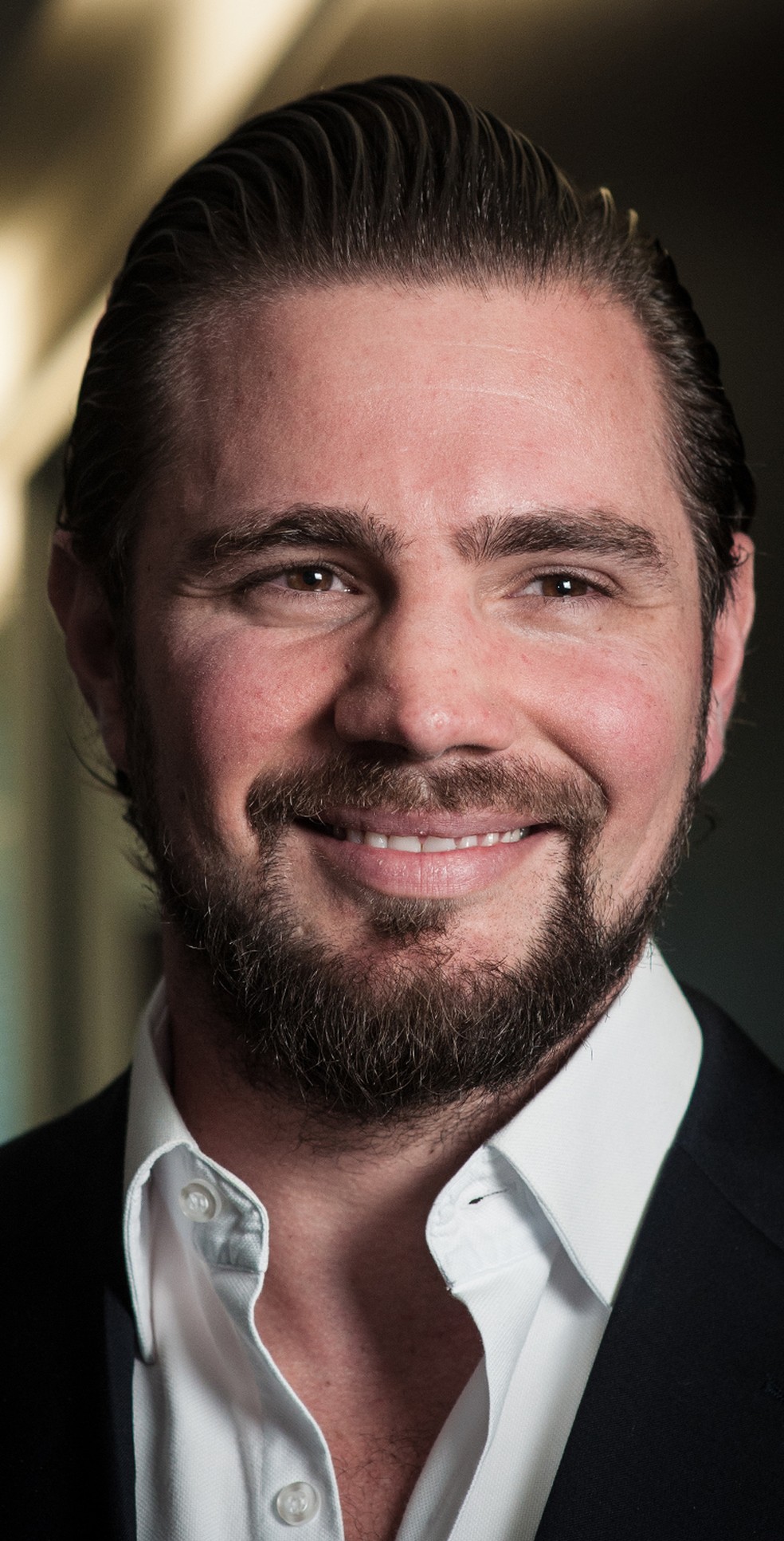
On July 31, 2024, while share purchases were still under way, Quadrado estimated that gains from Ambipar had already reached R$500 million. “We can keep the gain for ourselves. We just have to talk to him, but the risk stays with us,” he wrote to Vorcaro. “Shall we go ahead and split the gain between us?”
Less than a month later, the stock’s appreciation had substantially increased the potential profit. On August 21, Quadrado presented Vorcaro with a proposed split that, he said, had been agreed with Tércio. “We locked in the gain at 1 billion [reais]. 550 for him. 285 for you. 165 for me,” he wrote.
In the same conversation, he explained how he intended to begin unwinding the position. The structure called for a R$650 million loan and Tanure’s purchase of the Esna fund. Part of the proceeds would correspond to the value of the shares, while R$285 million would be the gain allocated to Vorcaro.
The banker was unhappy with the numbers. He said the shares were worth R$1.5 billion and later put the total position at R$2 billion. “It’s very strange and bad for us to sell the position for a gain of 285. I’d rather take the risk,” he said.
Quadrado pushed back. He noted that the stock was illiquid and recalculated the figures. According to his math, the average purchase price was R$35.44, and with the shares at R$78, the gain came to R$1.125 billion. “He’s pressuring me,” he wrote, referring to Tércio. “You suggested asking for 50% of the gain, and he agreed. 45% was great. I can’t go back to him and say something different.”
The difficulty of converting share-price gains into cash continued to shape the negotiations. In September 2024, Ambipar shares were already being considered as a way to raise funds at XP and settle other financial obligations.
“We have a serious situation regarding Nelson’s 250,” Vorcaro wrote to Quadrado on September 3, referring to Tanure. “Once again, I went out of my way to meet his Santander deadline, and I was left hanging out to dry.”
Quadrado replied that the understanding was to use Ambipar shares to raise money at XP. “We thought it best to do this Ambipar deal. I understood that you had agreed,” he said.
The share purchases eventually drew scrutiny from Brazil’s Securities and Exchange Commission (CVM). The regulator’s technical staff found evidence of coordinated action between Tércio and the Esna, Texas, and Kyra funds in their 2024 acquisition of Ambipar shares. The case led to an order requiring a mandatory tender offer (OPA) because of the increase in shareholdings. In 2025, however, the CVM’s board overturned that requirement after breaking a tie with a casting vote, finding insufficient evidence to classify the funds as acting in concert with the controlling shareholder.
Looming troubles
In November 2024, Vorcaro was already complaining about the Central Bank’s scrutiny of the deal. “We can’t touch this Ambipar transaction at Let’s [Letsbank, one of the holdings in Master’s conglomerate]. My gain stayed there, and I’ll return the difference to Tércio,” Quadrado wrote on November 11. “Yes, the Central Bank is making too much trouble over this Ambipar deal,” Vorcaro replied.
That evening, Quadrado returned to the subject. “Tércio is asking me whether you managed to schedule a meeting with NT,” he wrote, using Tanure’s initials.
The conversations show that Ambipar and Emae had become part of the same financial puzzle. Days earlier, on November 5, Quadrado had proposed that Vorcaro buy a debt owed to XP, release Tércio from his guarantee, and free up Ambipar shares pledged as collateral for financing used to acquire Emae. In return, Vorcaro would receive a stake in Emae and access to the company’s cash. “Good ideas,” Vorcaro replied.
The next day, Quadrado pressed again. “I came up with the idea of transferring Ambipar to you to generate 250 million in profit. We need to talk; he’s going on a trip, and I’m worried he’ll change his mind.”
Tanure had won the Emae auction in April with a bid of R$1 billion and completed the purchase in October with Tércio’s help. The two businessmen pledged Ambipar shares, along with shares in Emae itself, as collateral for financing from XP and Braslight, the pension fund for Light employees.
As Valor has previously reported, funds flowed among Vorcaro, Quadrado, Borlenghi, and Tanure through the share-purchase transaction, a link that the messages make clearer. Discussing the ongoing deal in late July 2024, Vorcaro told Quadrado he preferred to hold on to the shares. “And we agreed on a deadline for the investment,” he added.
The investment he was probably referring to involved CDBs linked to Master’s conglomerate that Ambipar is believed to have received as part of the arrangement. Later, as the bank’s crisis became evident, the securities were swapped for claims on court-ordered government debt payments known as precatórios.
The Ambipar share purchase took place alongside transactions involving Fênix, a receivables investment fund known as a FIDC. Its assignor was Everest, a company owned by Tércio himself. In practice, Everest was a creditor of Ambipar, and companies that were part of Ambipar held shares in Everest. At the same time, Everest issued R$700 million in debentures, all of which were bought by the Máxima fund, whose investor was Master. The transaction became the subject of a Federal Police investigation amid suspicions that the structure was used to divert funds from the bank.
A crisis beckons
As Master’s condition deteriorated, matters grew even more complicated in 2025. In April of that year, Ambipar shares emerged as a potential source of liquidity in a conversation about the bank’s own financial position.
On April 18, Vorcaro spoke of “generating a result to increase net worth.” Quadrado replied that demand was strong in the Texas fund, which held Ambipar shares, and that R$500 million could come into the company in cash. “Then that’s great,” Vorcaro replied. “Because that’s the bottleneck. The Central Bank. If we resolve this, it will work out.”
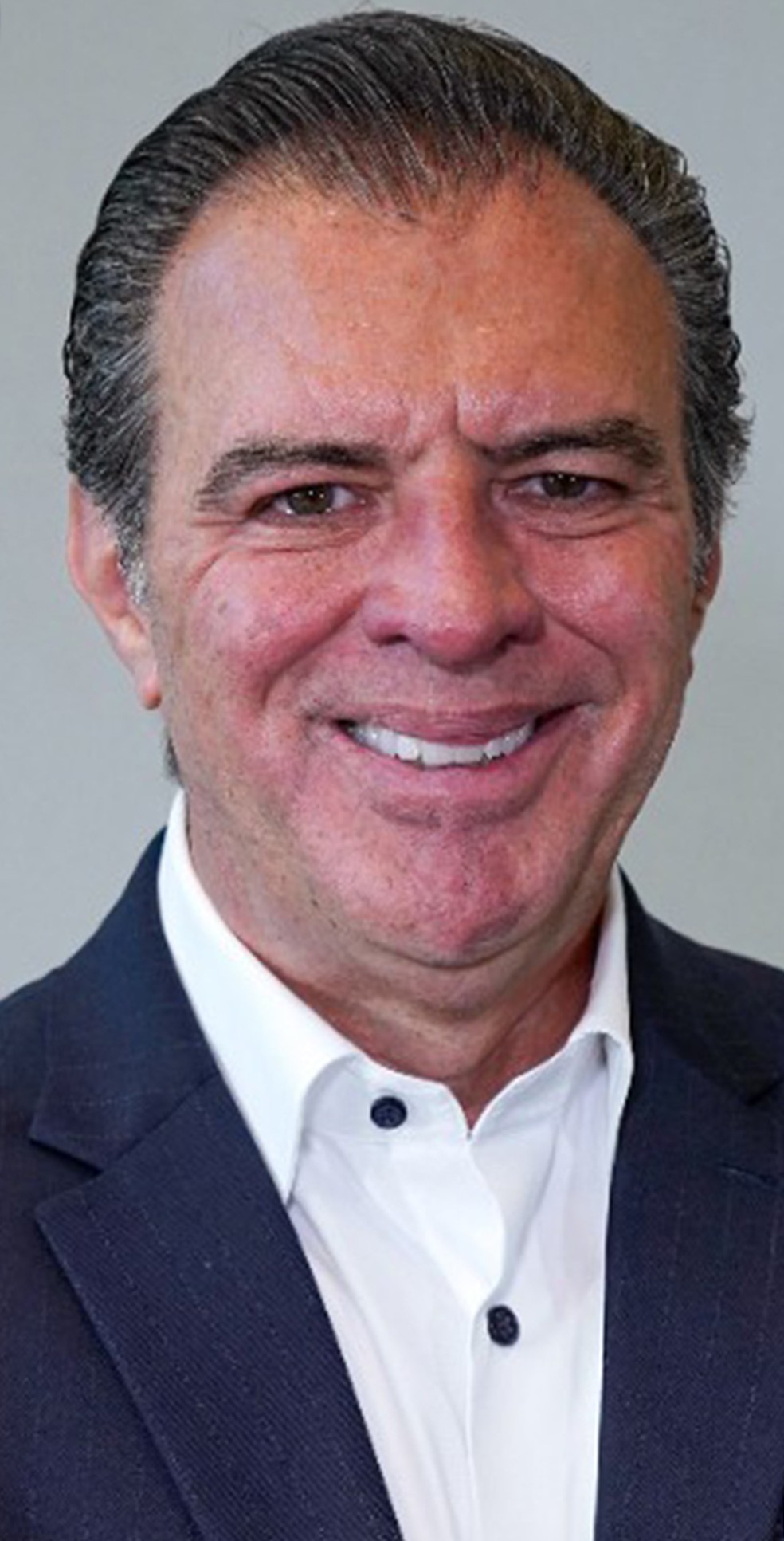
Quadrado said the idea was to use the cash from the shares to repay half of an Ambipar CDB, leaving roughly R$250 million invested. The company has never acknowledged having money invested with Master.
A week later, on April 25, 2025, the two men again discussed a solution involving Tanure, Tércio, Emae, and XP. “I called Nelson and met him alone. I’ll see if I can resolve this mess,” Quadrado wrote. “The damn thing is that, after everything we paid, Nelson has to take something on. It makes no sense,” Vorcaro replied.
Quadrado then proposed swapping the Esna fund for Tércio’s stake in Emae and buying roughly R$250 million of the debt owed to XP, converting that amount into an equity stake in the energy company. “With this, we can implement yesterday’s plan involving the CDB and Ambipar shares,” he wrote. “I’m in,” Vorcaro replied.
The pressure mounted in the following months. In August, amid renewed negotiations over Ambipar shares, Quadrado forwarded Vorcaro a spreadsheet that, he said, had been agreed upon by Vorcaro’s and Tanure’s teams.
The document listed obligations of R$4.18 billion from Tanure to Vorcaro and R$3.76 billion in the opposite direction, for a net balance of R$426.4 million in Vorcaro’s favor. The message said the amounts were reflected in contracts, including payments in shares of Ligga and Alliança, which are investments belonging to Tanure.
On August 5, Vorcaro asked about Tércio and said he needed information on the shares to move forward. Quadrado replied that he had asked the businessman to transfer custody of the securities. The next morning, Vorcaro followed up again. “Let’s try to resolve the shares today! Tércio sent me a message.”
Negotiations flail
On August 7, the talks hit a deadlock. Tércio’s lawyer was resisting the creation of liens on the shares. Quadrado spoke with the businessman and came back with an answer. “I spoke with Tércio. He is very afraid these shares will be sold. If there’s no security, he won’t move forward,” he said. “Then it’s better to cancel. They won’t be sold, but there’s no way to do this without pledging them as collateral,” Vorcaro replied.
The deal was not abandoned. On August 25, Vorcaro asked, “Will we be able to get the Ambipar shares deal done?” “Yes. He liked it,” Quadrado replied, adding that he would handle custody of the securities. “Let’s move quickly, then, so we don’t lose the timing,” Vorcaro wrote.
Two days later, Vorcaro pressed again. “What’s the status of the Ambipar issue? I have the contract.” Quadrado replied that he had met with Tanure to discuss the XP debt. “One of Tércio’s ideas is to use the proceeds from your transaction to pay off XP,” he said. He added that he was setting up a fund to receive $100 million in shares.
On September 9, the conversations indicate that a sale had gone through. “I sold AMBIPAR and it goes in as capital. I transfer DI [interbank deposit] to Master. Correct?” Quadrado wrote. “I think so, until we see which asset to send tomorrow,” Vorcaro replied.
Three days later, Quadrado said he had used part of the proceeds from precatórios to settle R$500 million in Ambipar CDBs. “With this, Texas is clear,” he wrote. He added that a debt of R$800 million remained to be paid to him.
On September 24, Ambipar went to court seeking an injunction to suspend collection actions and prevent the early maturity of its debts. The court granted protection the next day.
Even then, discussions involving Tércio continued. On September 26, Quadrado told Vorcaro he had met with the company’s controlling shareholder. “I met with Tércio. When I can, I’ll explain his strategy to you.”
The negotiations went on until October 20, the day Ambipar formally filed for judicial reorganization. At 12:27 pm, Quadrado and Vorcaro had a phone call lasting just over a minute. At 2:31 pm, Quadrado pressed for documents to be signed.
“Daniel. The people are waiting for you to sign. We have to close this today with Tércio. He is going to file for judicial reorganization.” The following day, however, Vorcaro complained about a document. “The Ambipar letter doesn’t work. Either they do it properly or we’ll reverse yesterday’s transaction.”
Quadrado replied that he had held up the transaction until he received all the documents, including a letter from Plena. “I sent this copy only to protect us in case Tércio changes his mind. It came from his lawyers.”
Vorcaro’s legal team did not immediately respond to a request for comment. Ambipar declined to comment.
Quadrado issued the following statement: “The messages refer to preliminary discussions about a possible structured capital-markets transaction involving the acquisition of an equity stake, the negotiation of claims, and the possible reorganization of collateral arrangements. References made in the conversation should be understood in the context of the institutions and companies involved in the transactions and do not, in themselves, indicate personal financial benefits to the people involved. The structure mentioned was not implemented on the terms discussed, and the transaction described in that message was not completed.”
In a separate statement, Tanure said he “is not aware of the messages that were allegedly exchanged by the individuals mentioned, since this material has not been presented in any proceeding in which he is formally represented by his lawyers.” He stressed, however, that he “did not participate in any coordinated action involving Ambipar shares, nor did he benefit from any potential artificial appreciation of those securities.”
He said he had not been asked to comment on the case, “which is also unrelated to the acquisition of Empresa Metropolitana de Águas e Energia, Emae, by Phoenix FIP. The transaction was carried out using private funds provided by XP, which audited the collateral and financed the deal in accordance with high market standards.” Tanure reiterated that his relationship with Master and other asset managers was that of a client. “Any attempt to portray this relationship as anything else is incorrect.”
(Liane Thedim contributed reporting from Rio de Janeiro.)